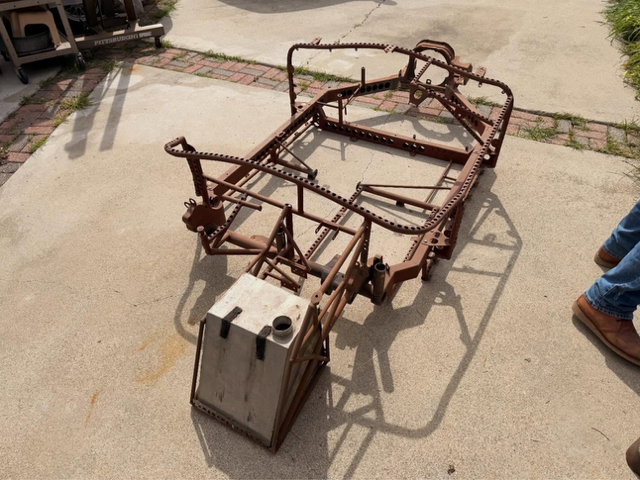
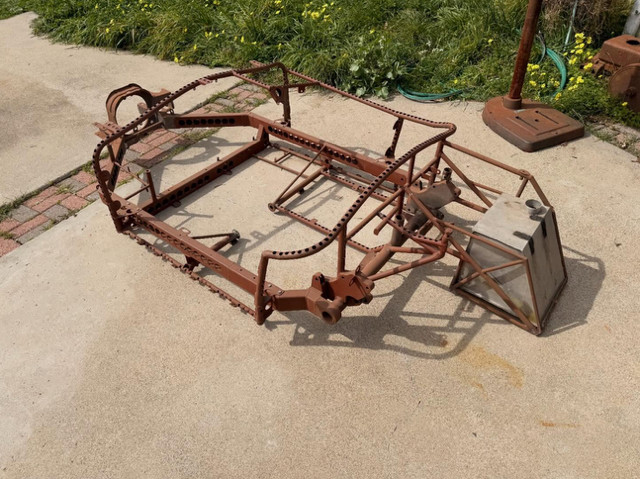
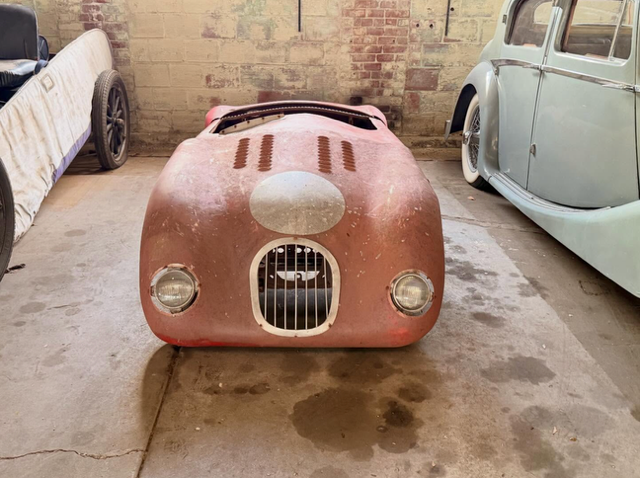
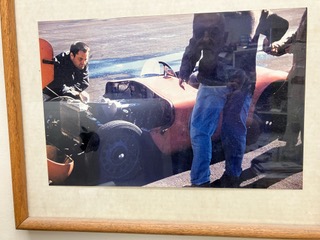
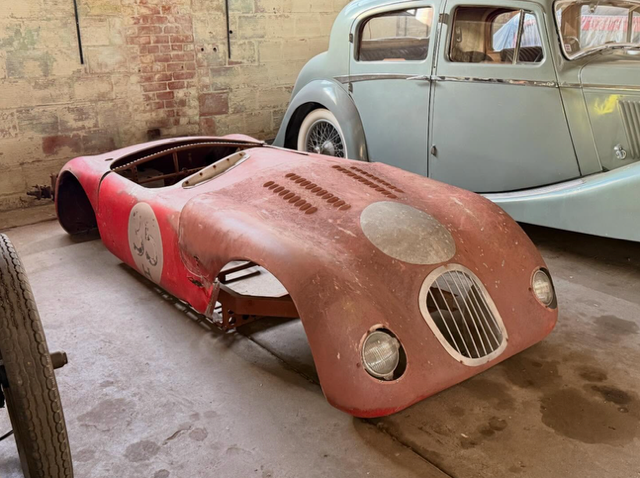
The Young Special was designed and built by John P. Young of Los Angeles and was last raced in 1956.
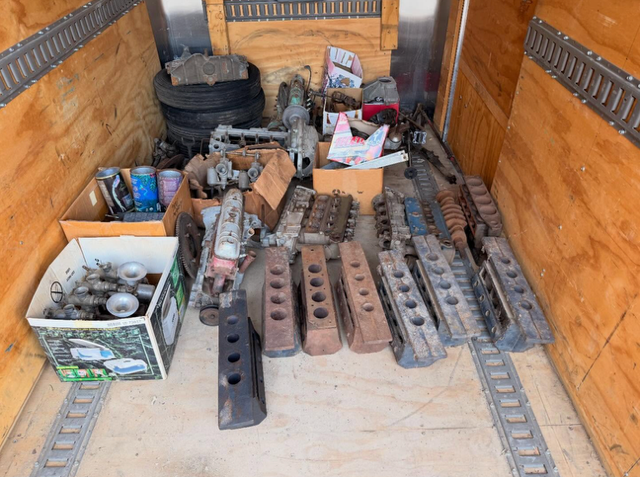
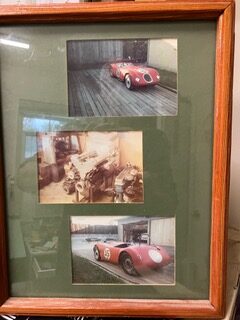
David Steele writes: It is somewhat Crosley-based, in that the drivetrain and some of the suspension and brake components are Crosley. Power is from a custom built Crosley Twin Cam engine built by Young who had worked for Harry Miller (see footnote) in his very early adult years and came up with the idea of casting his own blocks for dual overhead cam design in the same style as Peugeot, Miller, Offy and Bugatti. The spares of that project can be seen in the collection of photos in the gallery at the bottom of this page.
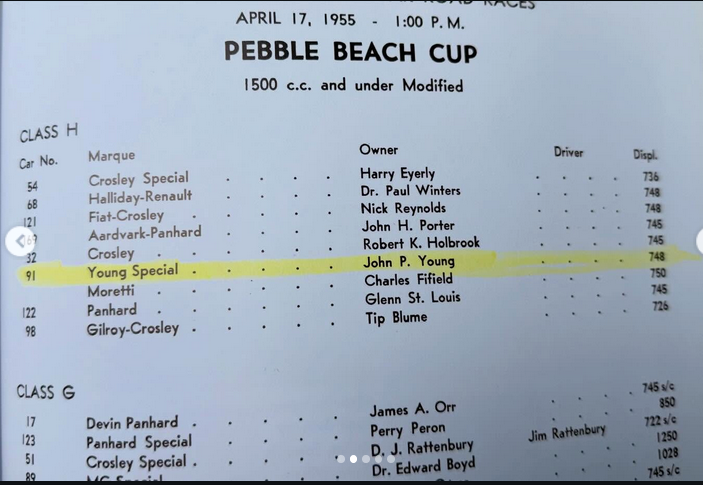
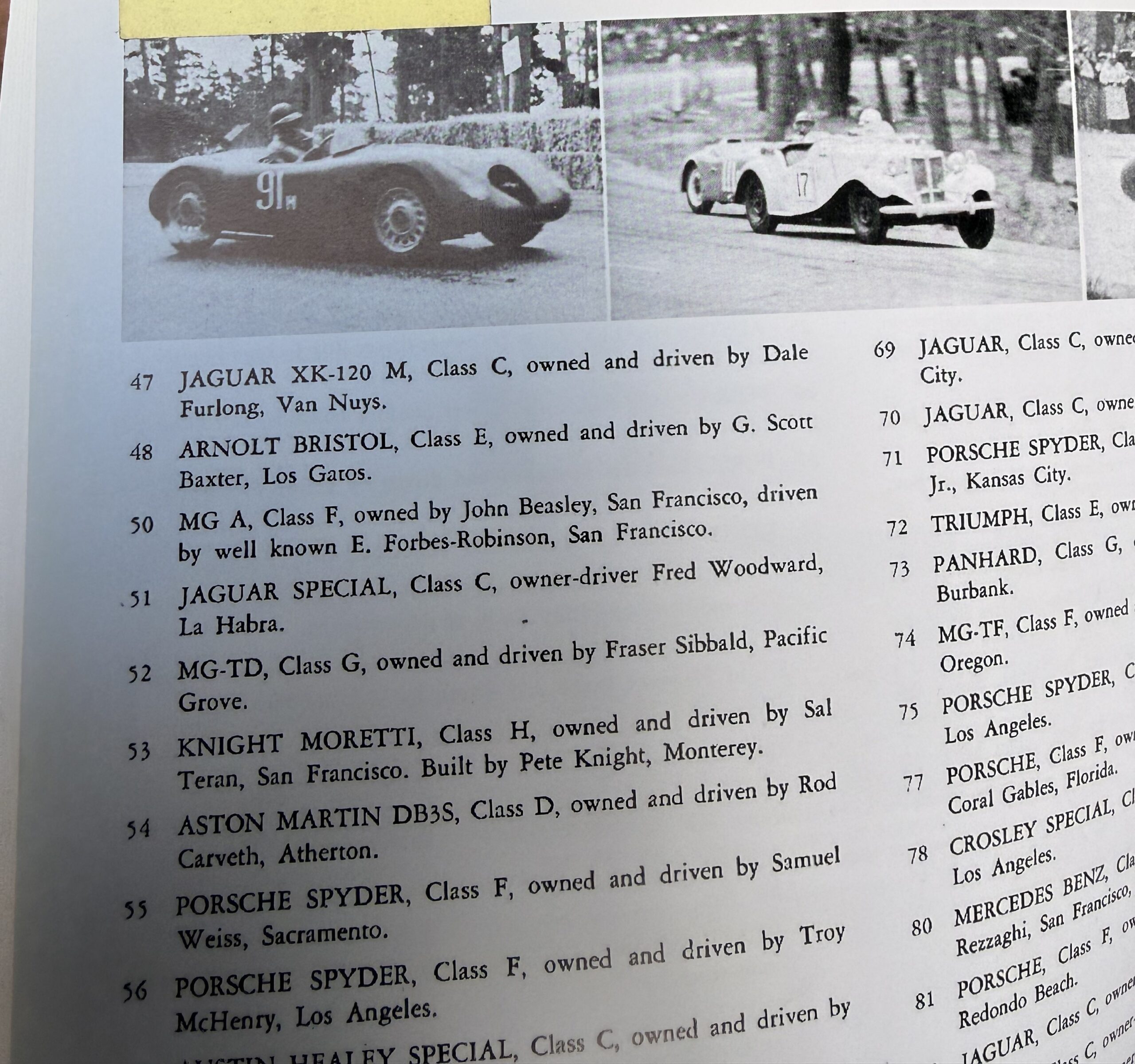
This car raced in the Pebble Beach Sports Car races during the April 17, 1955 weekend (see below from the Evans book and a photo of it participating in that 1955 event – it is the car at left at the top of the page ).
Pebble Beach Road Races 1955; Class H , Car #91 ( 1500cc and under – modified )
That same year ( 1955 ) , the car won its class at Palm Springs.

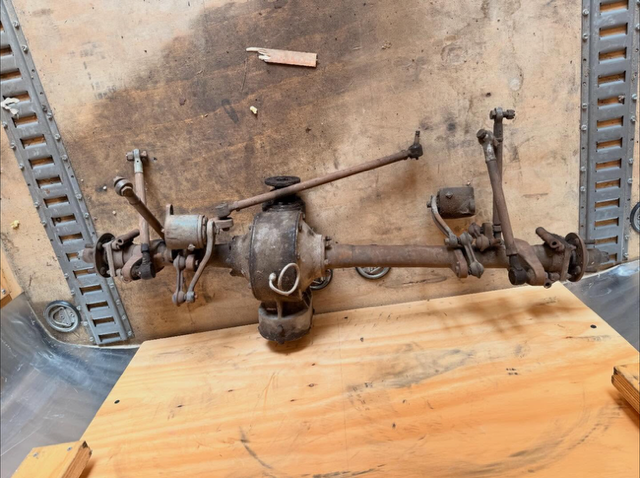
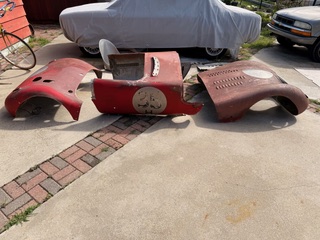
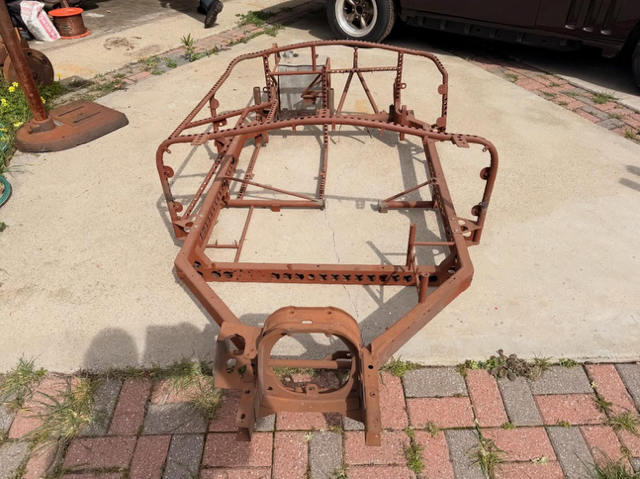
John Young moved to the Bay Area by the late 1950s and started a new life, attending medical school and eventually opening up his own practice. The car was sold during this time and bounced around to a few different owners who apparently never did a thing with it until it was dismantled a little over 50 years ago for a restoration that never happened. A friend of David Steele’s purchased the remains of the car in 2026 and exhumed it from its resting place of over 50 years. He wants to piece it together as a roller to display it at a few different events before starting the restoration.
Please let us know if you find more photos or information on this unique car.
Harold Arminius Miller (December 9, 1875 – May 3, 1943), commonly called Harry, was an American race car designer and builder who was most active in the 1920s and 1930s. Griffith Borgeson called him “the greatest creative figure in the history of the American racing car”. Cars built by Miller won the Indianapolis 500 nine times, and other cars using his engines won three more. Millers accounted for 83% of the Indy 500 fields between 1923 and 1928.
Click on an image and scroll left or right…